
Rent to own cars in Canada are vehicles you pay for in weekly or biweekly installments directly to a dealer, with ownership transferring only after the final payment. No bank approval is needed, which is the draw, but the true cost usually runs far past what the same driver would pay on a bad credit car loan, and most programs never report a single payment to the credit bureaus.
See What Financing You Actually Qualify For →
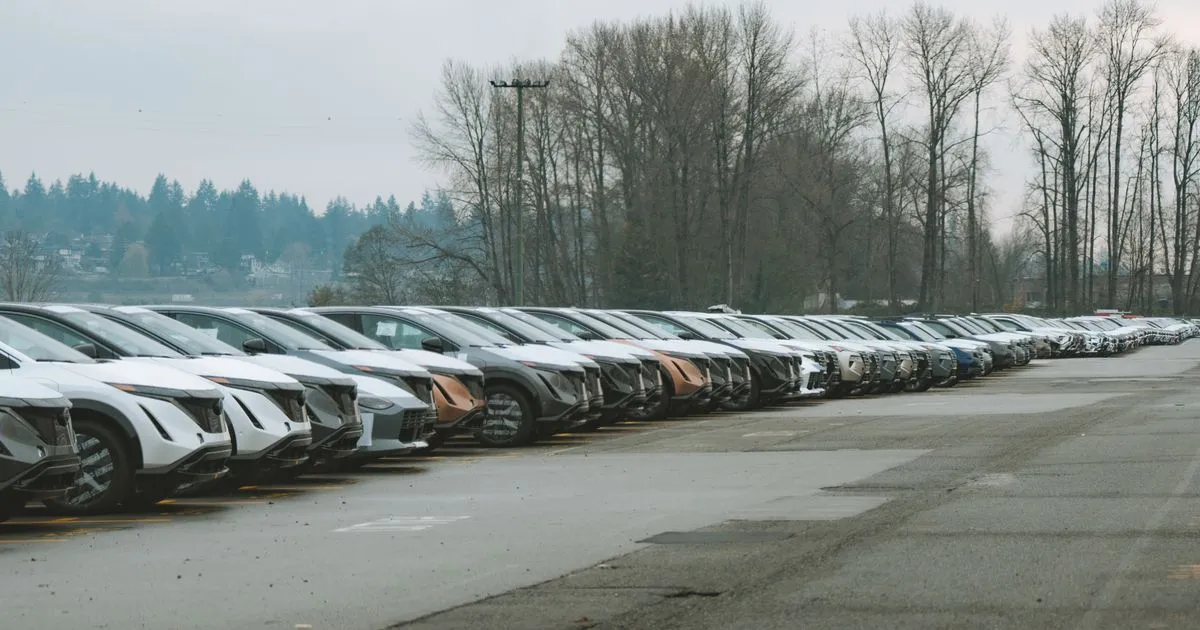
How Rent to Own Cars Actually Work
Rent to own cars run on a simple structure: the dealer owns the vehicle, you make weekly or biweekly payments, and a purchase option transfers ownership to you after the final payment. There is no lender in the middle, no loan application, and usually no hard credit check, because the dealer’s protection is not your credit file. It is the car itself.
The typical Canadian program looks like this: an older vehicle, often 8 to 12 years old with high kilometres, a down payment between $500 and $2000, and payments of $75 to $150 a week for 2 to 4 years. Miss payments and the dealer can take the car back quickly, because until the buyout you are a renter, not an owner.
That structure is why approval is nearly instant. The dealer is not betting on your credit history the way a lender does; they price the risk into the payment and keep the title until the end. You are paying for access first and ownership second.
The Real Cost of Rent to Own Cars, With the Math Shown
The honest way to judge rent to own cars is to add up every payment and compare the total against what the same vehicle costs to buy. Here is a typical example, using numbers in the middle of the Canadian market:
| Item | Rent to own | Financed purchase |
|---|---|---|
| Vehicle (same 2016 compact SUV) | Retail value $9000 | Price $9000 |
| Down payment | $1000 | $0 to $1000 |
| Payment | $110 per week | $231 per month (29.99% APR, 60 months) |
| Term | 3 years | 5 years |
| Total paid | $18160 | $14860 |
Even against the very top of the bad credit APR range, the rent to own route costs about $3300 more, ends with an older car that spent three more hard years on the road, which is the quiet tax rent to own cars charge on top of the visible one, and that gap widens fast for anyone who qualifies below 29.99%. At 14.99% the financed total drops to around $12800, roughly $5400 less than the rental math.
And the weekly framing hides the size of the commitment. $110 a week feels smaller than $477 a month, but that is what it is, on a vehicle worth $9000 the day you started.
The Credit Reporting Problem Nobody Mentions
Most rent to own cars programs report nothing to Equifax or TransUnion. Every on time payment you make is invisible to your credit file, so three years of perfect discipline leaves your score exactly where it started. The one exception is bad news: default, and the account may surface through a collection agency.
A financed car loan does the opposite. It is an installment account reported monthly, and for rebuilding credit an installment tradeline is one of the strongest tools there is. The same three years of on time payments that vanish inside a rental contract would move a damaged file meaningfully upward.
If your long game is qualifying for better rates, a mortgage, or simply escaping the subprime bracket, this difference matters more than the sticker math. You can verify how installment accounts report through Equifax Canada and the credit basics pages at the Financial Consumer Agency of Canada.

Rent to Own vs a Bad Credit Car Loan
The comparison most shoppers never run is the one that matters, because the two products serve the same driver:
| Factor | Rent to own cars | Bad credit car loan |
|---|---|---|
| Approval check | Income and down payment, usually no hard pull | Income focused, all credit considered |
| Rates | No APR shown; cost buried in the payment | Disclosed APR, typically 7% to 29.99% |
| Vehicle | Older, high kilometre lot stock | Newer used inventory, wider choice |
| Credit building | Usually none | Reported monthly to the bureaus |
| Ownership | Only after the final payment | From day one, lender holds a lien |
| Missed payment | Fast repossession, little notice | Provincial rules give cure rights first |
Approval odds are the surprise. Many drivers assume rent to own is their only option, then discover income focused lenders approve them at rates far below the rental math. Most applicants working full time with $1800 or more in monthly income qualify for something, whatever the score, and a pre-approval shows the real number without a commitment.
Ownership timing matters too. On a financed purchase the car is yours from day one, with a lien. On rent to own cars nothing is yours until the last payment clears, which is why a year of payments builds zero equity if the deal collapses in month 13.
In House Financing and Lease to Own: The Cousins
Two related products share the lot with rent to own cars, and the labels blur into each other, so read the contract for the mechanics rather than the name:
- In house financing (also called buy here pay here) means the dealer is the lender. Unlike a rental, a sale actually happens on day one, but rates run high, the inventory is similar, and reporting to the bureaus varies dealer to dealer. Ask directly whether they report.
- Lease to own mirrors rent to own with lease paperwork: a required buyout at term end transfers ownership. The same total cost math applies. This is different from a standard manufacturer lease, which we cover in our lease vs finance comparison.
In every variant the question that cuts through the branding is the same one: what is the total of all payments plus fees plus the buyout, and what does that same car sell for outright?
What Happens When You Miss a Payment
On rent to own cars the answer is fast and blunt: because the dealer still owns the vehicle, many contracts allow repossession within days of a missed payment, sometimes with GPS locators and starter interrupt devices installed at signing. Everything you paid to that point stays with the dealer, and you walk.
Financed borrowers get more protection. Provincial consumer law builds in notice periods and reinstatement rights before a lender can seize, and after seizure there are rules about how the sale proceeds are applied. Our guide to vehicle repossession in Canada walks through those rights province by province.
The practical read: if your income is irregular enough that a missed week is realistic, the rental structure is more dangerous, not safer, than a loan with disclosed cure rights. Budget the payment against your worst month, not your best one.

Where Rent to Own Cars Operate, and Who Regulates Them
Rent to own cars are available in every province, concentrated around mid sized cities in Ontario, Alberta, and the Prairies where transit is thin and work requires a vehicle. The dealers offering them are regular used vehicle dealers, which means provincial dealer regulation applies even when the product is framed as a rental.
That regulation is your leverage. In Ontario, dealers must be registered with OMVIC and the vehicle needs accurate history disclosure. In Alberta, AMVIC licenses every dealer running these programs. In BC, the VSA plays the same role. If a lot offering rent to own cars is not licensed with its provincial regulator, walk away, because every protection in this guide assumes a licensed dealer on the other side of the table.
Contract law adds a second layer. Because most rent to own cars agreements are consumer leases with a purchase option, provincial consumer protection acts require total cost disclosure in the contract. A dealer who cannot show you the all in number in writing is telling you what kind of contract it is.
Can You Exit a Rent to Own Car Deal Early?
Usually yes: most rent to own car agreements let you return the vehicle and end the deal at the close of any payment period, which is the model’s one genuine flexibility. The catch is what you leave behind. Every payment made stays with the dealer, you hold no equity, and nothing you paid follows you to the next vehicle.
Before counting on that exit, read the agreement for three things: whether returning the car requires written notice, whether wear or kilometre charges apply at return, and whether any missed payment balance survives the handback. A financed vehicle works the opposite way, since payments build equity you keep when you sell or trade, which is a core reason our bad credit car loans route usually beats renting to own for anyone who qualifies.
Who Rent to Own Cars Genuinely Fit
An honest guide admits the product exists for a reason. Rent to own cars can make sense for a narrow group:
- Active bankruptcy or proposal with no approvals anywhere. Even income focused lenders have limits, and if every application fails, a rental keeps you mobile. Check our bankruptcy car loan guide first, because approvals happen earlier than most people think.
- Very short horizons. A worker who needs wheels for an 8 month contract may not care about ownership or credit building, only availability.
- No verifiable income. Lenders need income they can verify; some rental dealers accept cash flow they can see informally.
Outside those cases, the product is usually chosen out of the mistaken belief that no lender will say yes. That belief deserves a 10 minute test before it costs $3000 to $5000 in rental premium, which is the margin rent to own cars are built on.
If You Sign Anyway: The 7 Point Checklist
Choosing a rental regardless? Protect yourself on the way in:
- Total the contract. Every payment, every fee, the buyout figure, in one number, in writing.
- Compare that total to the car’s retail value on the same day, from an independent listing search.
- Ask whether payments report to Equifax or TransUnion. Get the answer in the contract if it is yes.
- Get the inspection. An independent mechanical inspection before signing, exactly as you would on a private sale.
- Read the missed payment clause for repossession timing, late fees, and whether any paid amounts are refundable.
- Confirm who maintains the car. Some contracts put every repair on you for a vehicle you do not own.
- Check the early buyout math. A fair contract credits your payments if you purchase early; a bad one keeps the full schedule.
The Better Route for Most Drivers
For most Canadians looking at rent to own cars, the sequence that saves thousands runs: check what financing you actually qualify for, at real disclosed rates, on a newer vehicle that builds your credit file while you drive it. Approval leans on income rather than score, applications take minutes, and the answer costs nothing.
Start with our bad credit car loans guide to see how income focused approval works, or go straight to a pre-approval to learn your real budget. If the down payment is the obstacle, zero down car loans exist for exactly that situation, and if a past insolvency is the worry, approvals after a discharge come faster than most drivers expect.
Run the comparison on the same day you visit the rental lot. Two numbers side by side, the all in rental total and a real financing quote on a comparable vehicle, settle the question in minutes and in your favour almost every time.
Get Started With a Real Approval →

And if the car you are considering is electric, read our electric car lease guide first; a conventional lease or a used EV loan nearly always beats a rent to own arrangement on total cost.
Rent to Own Cars: Key Takeaways
- Rent to own cars almost never report to Equifax or TransUnion, so the payments do not rebuild your credit the way a financed car loan does.
- The total paid on rent to own cars is usually well above the vehicle’s value, and a missed payment can end the agreement with nothing to show for the money already paid.
- The same weekly payment on an income-based bad-credit car loan buys a vehicle you own, at a capped 7% to 29.99% APR, with every payment reported.
- If you are choosing between rent to own cars and a financed purchase, run the twelve-month total of both before you sign anything.
Frequently Asked Questions About Rent to Own Cars
Do rent to own cars build credit in Canada?
Usually no. Most programs never report payments to Equifax or TransUnion, so on time payments do nothing for your score. Ask the specific dealer; if building credit matters, a reported installment loan does that job and a rental almost never does.
Is rent to own cheaper than financing with bad credit?
Almost never. Totalled across the contract, rent to own cars typically cost thousands more than the same vehicle financed even at the top of the bad credit range, and the gap grows for anyone approved below the maximum APR.
Do rent to own car dealers check credit?
Most run no hard credit check. Approval is based on income, a down payment, and sometimes references. That is also true of income focused lenders, though, so a soft check pre-approval is worth running before assuming a rental is the only yes.
What happens if I miss a payment on a rent to own car?
The dealer can usually repossess quickly, because they still own the vehicle. Contracts often allow recovery within days, aided by GPS or starter interrupt devices, and payments already made are generally not refundable.
Can I buy the car before the end of the contract?
Many contracts include an early buyout, but the math varies wildly. A fair contract credits a meaningful share of your payments toward the buyout; a poor one demands most of the remaining schedule anyway. Get the early buyout formula in writing before signing.
Rent to own vs in house financing: which is better?
In house financing is usually the better structure because a sale happens on day one and some dealers report payments to the bureaus. But both carry high costs, so compare each against a standard bad credit car loan before choosing either.
Are rent to own cars regulated in Canada?
Yes, indirectly. The dealers behind rent to own cars are licensed used vehicle dealers, so OMVIC in Ontario, AMVIC in Alberta, and the VSA in BC oversee them, and provincial consumer protection acts require total cost disclosure in lease with option contracts. Always verify the dealer licence before signing.
Can I get a rent to own car with no down payment?
Some dealers advertise it, but the weekly payment rises to cover the difference. If no down payment is the constraint, zero down financing on a purchased vehicle usually beats a zero down rental on total cost.
The Bottom Line on Rent to Own Cars
Rent to own cars solve one problem, instant access without a credit check, and create three others: a total cost far above the car’s value, zero credit building, and fast repossession risk. For the narrow group with no approval available anywhere, the checklist above limits the damage. For everyone else, ten minutes spent on a real approval, income focused and reported to the bureaus, is the cheapest drive off any lot in Canada.
About Our Editorial Team
Sources: FCAC · Credit reports and scores; Equifax Canada. Rates shown as ranges; your APR depends on approval. FindAVehicle.ca connects drivers with licensed Canadian lenders and dealers; APRs range from 7% to 29.99%.