
An electric car lease is a fixed-term rental of an EV: you pay for the depreciation during your term plus interest and fees, then hand the vehicle back or buy it out. In Canada, leasing solves the two biggest EV worries, resale value and battery ageing, by making them the leasing company’s problem. This guide walks through when that trade is worth it, what drives the payment, and where financing beats it.
What an Electric Car Lease Is
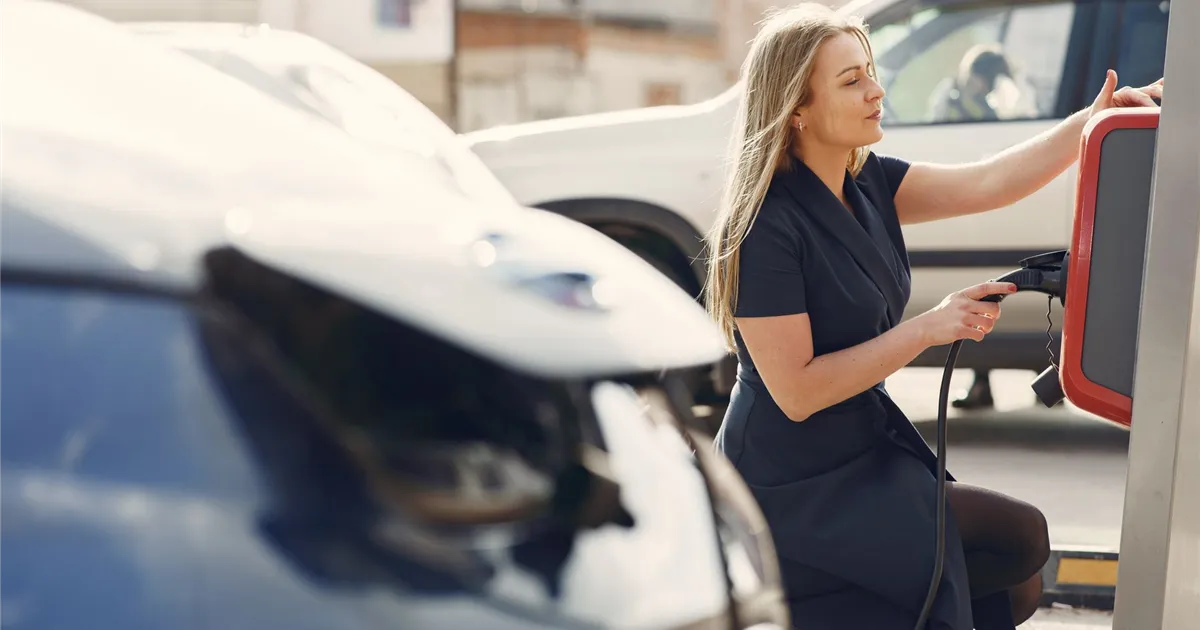
Mechanically, an electric car lease works like any car lease. The lender buys the vehicle, you pay monthly for the value it loses during your term, typically two to four years, and a residual value fixed in the contract decides what the car is worth at the end. Return it, and depreciation beyond the residual is not your problem. Want to keep it, and the residual is your buyout price.
What changes with an EV is what that residual represents. Electric vehicle resale values have swung harder than gas cars in recent years, moved by new-model price cuts, battery-technology leaps, and shifting incentives. A lease locks today’s guess about that future value into the contract, and the guessing risk belongs to the leasing company, not to you.
Why Leasing Fits EVs Differently Than Gas Cars
Three EV-specific forces make the lease question different from the usual lease-or-finance debate:
- Depreciation uncertainty. When a manufacturer cuts new-EV prices, used values fall the same week. An electric car lease insulates you from that repricing; an owner absorbs it.
- Technology churn. Range, charging speed, and software improve model year over model year. A short lease term is a built-in upgrade path to whatever three years of progress delivers.
- Battery ageing questions. Degradation on modern packs is slower than most buyers fear, but the worry itself drags on resale prices. Lease, and the worry retires with the car at return time.
The counterweight is cost: you pay for that insurance inside the payment. Drivers who keep vehicles eight or ten years still usually come out ahead owning, electric or not. Our lease or finance comparison runs that general arithmetic; this page adds the EV-specific layers.
Lease vs Finance vs Buying a Used EV
| Route | Best for | The catch |
|---|---|---|
| Electric car lease | First-time EV drivers, upgraders, anyone nervous about resale value | Km caps, wear charges, you build no equity |
| Financing new | Long keepers who want ownership and no mileage limits | You carry all depreciation and battery-era resale risk |
| Financing used | Value hunters, since early depreciation already happened to someone else | Shorter remaining warranty, charging-speed and range a generation behind |
The used route deserves more attention than it gets. Steep early EV depreciation makes a three-year-old electric car one of the best value plays in the market, and our used car loans guide covers financing one. The same math is why the person leasing new is effectively paying that depreciation for the next buyer.
The Numbers That Drive an Electric Car Lease Payment
Every electric car lease payment is built from four inputs:
- Capitalized cost: the negotiated vehicle price plus rolled-in fees. Yes, lease prices are negotiable, and any discount cuts the payment directly.
- Residual value: the contract’s guess at end-of-term value. A higher residual means less depreciation to pay for, so the same car can lease very differently across brands and terms.
- Lease rate: the interest charged on the money tied up in the car. Ask for it as an annual percentage so you can compare it against a loan APR.
- Kilometre allowance: the annual cap, commonly sixteen to twenty-four thousand kilometres. Exceeding it costs a set fee per extra kilometre at return.
Two EV wrinkles matter. Some brands prop up residuals to advertise low payments, which makes the end-of-term buyout a bad deal even when the monthly looks great. And because EV list prices move, the identical model can carry a very different capitalized cost month to month; a quote is a snapshot, not a standing offer.
Batteries, Warranties, and Who Carries the Risk
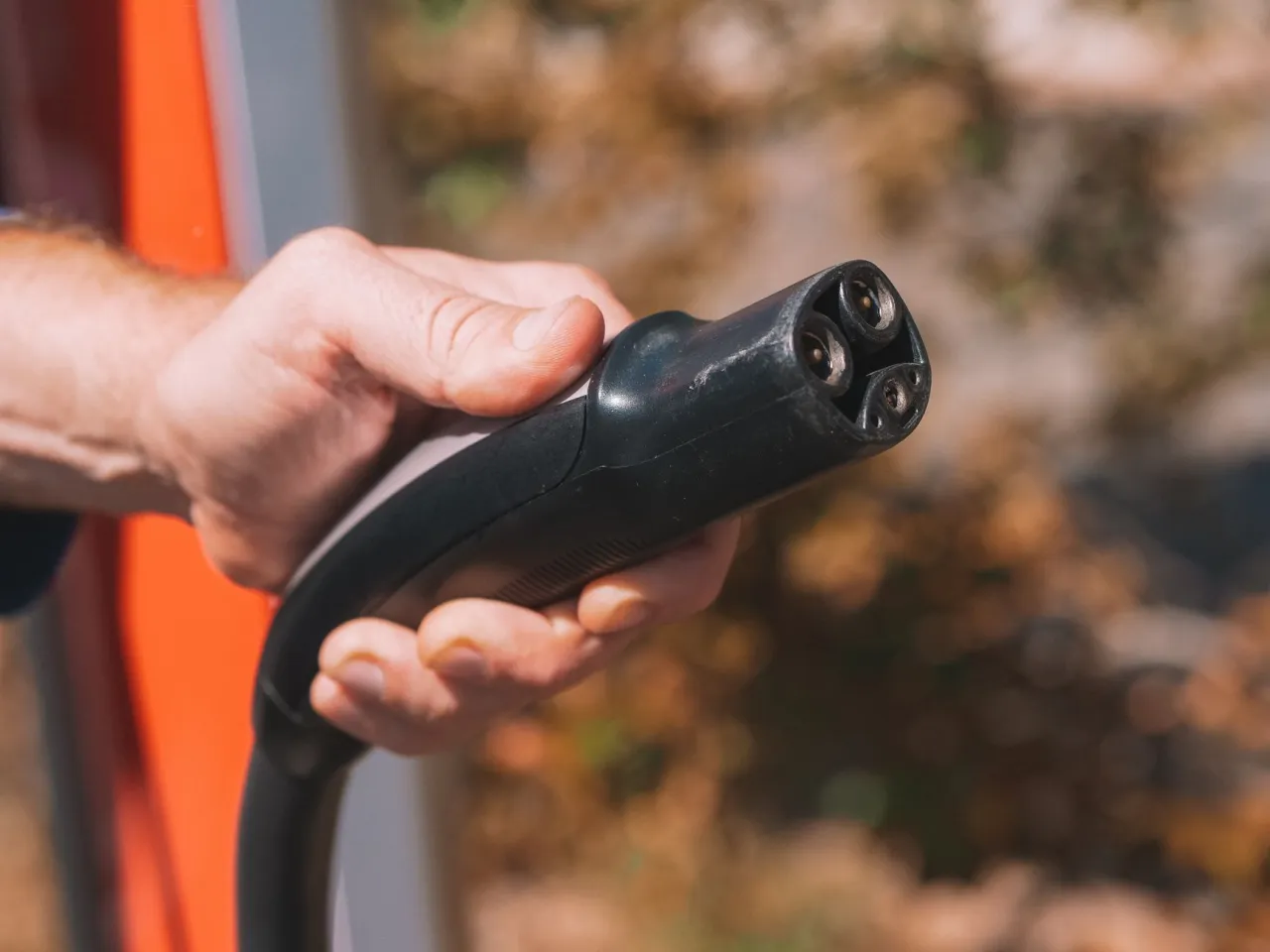
Battery packs on new EVs sold in Canada nearly all carry manufacturer warranties of around eight years or one hundred sixty thousand kilometres against defects and excessive capacity loss. A typical electric car lease ends years inside that window, so warranty coverage is effectively total for a lessee: any qualifying battery problem during the term is the manufacturer’s to fix.
Normal degradation, the slow few-percent range loss every pack experiences, is not a warranty event and not a lease-return charge either. Return standards deal with dents, tires, and glass; nobody measures your battery health at drop-off under a standard closed-end lease. That asymmetry, warranty inside the term and no degradation bill at the end, is quietly one of the strongest arguments an electric car lease has.
Financing flips it: an owner enjoys the same warranty years, then personally owns whatever the pack has become in year nine. With modern packs that is usually still a very usable car, but the uncertainty is priced into resale values, and the owner is the one who realizes it.
Charging at Home and on the Road
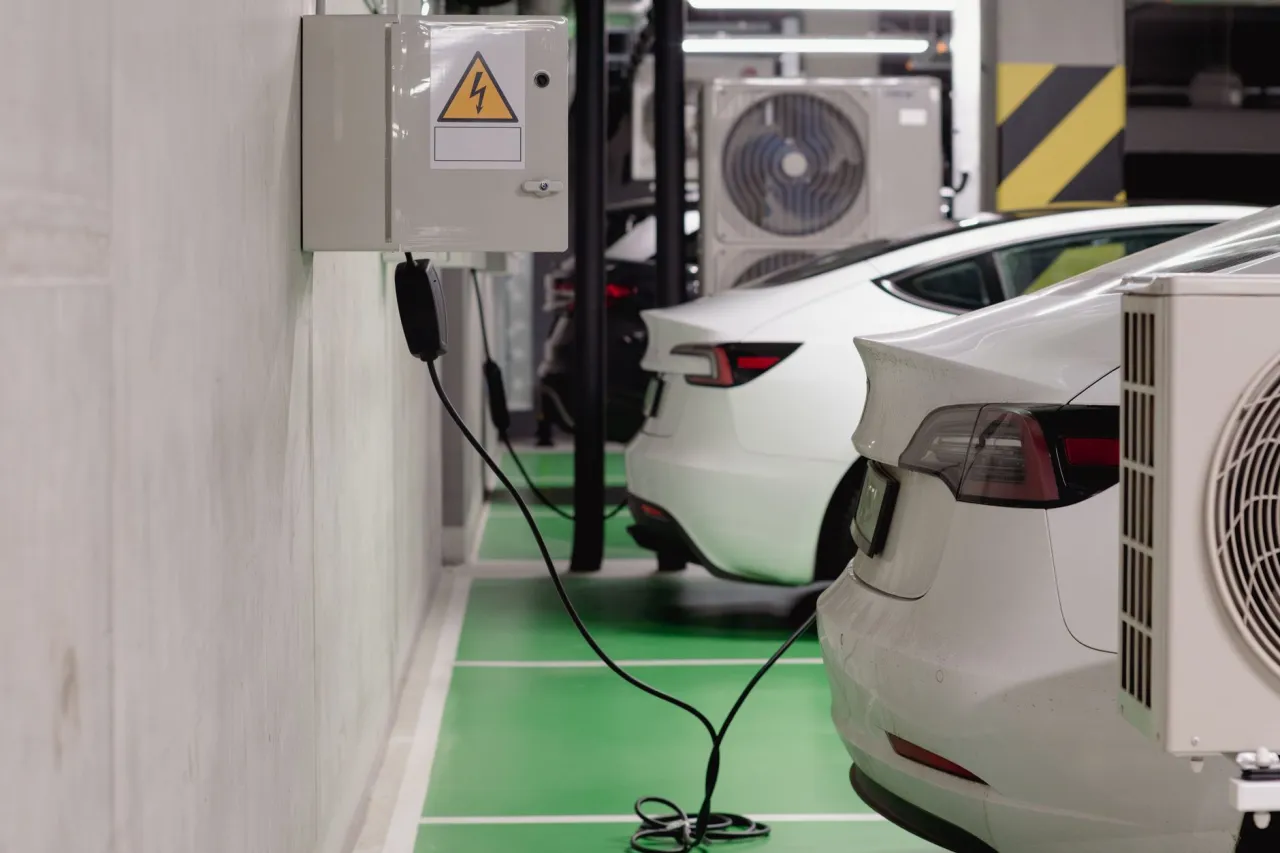
Leasing changes one charging decision: the home charger. A hardwired Level 2 unit costs real money installed, and it stays with the house, not the car. Lessees moving through a three-year electric car lease should favour a plug-in charger they can take along, or fold the installed unit into the long-term plan for the next EV too.
Condo and apartment dwellers should confirm charging access before signing anything. Building installations involve boards, contractors, and months; a lease clock does not wait for them. Public fast charging fills the gap but at a higher cost per kilometre, which quietly erodes the fuel savings the payment math assumed.
Winter Range: The Canadian Electric Car Lease Stress Test
Cold is the honest asterisk on every Canadian EV conversation. Deep winter temperatures commonly cut usable range by roughly a fifth to a third, more with highway speeds and cabin heat, and less in cars with heat pumps. A commute that fits comfortably in October should still fit in February, but only if you sized against winter range, not the brochure number.
For a lessee, the winter question meets the kilometre cap. Range anxiety detours, charging stops, and a second household car picking up slack all shift kilometres around; make sure the allowance reflects January driving, not July. A test drive booked in cold weather, or an honest conversation with an owner of the same model, is worth more than any spec sheet.
Rebates and Incentives in 2026
Incentives have been the least stable part of the Canadian EV story. The federal purchase incentive program paused when its funding ran out, provincial programs have been introduced, trimmed, and wound down on their own schedules, and Quebec and British Columbia have historically been the most generous provinces. Where a program is active, leases generally qualify alongside purchases, with the credit applied against the capitalized cost.
Treat every incentive as a moving target: confirm the current federal status on Transport Canada’s electric vehicle pages and your province’s program site the same week you sign, and never build the decision on a rebate that is merely rumoured to return. A deal that only works with an incentive attached is not a deal; it is a bet on program funding.
Reading Electric Car Lease Deals and Ads
Advertised electric car lease deals are built to produce one impressive number, the monthly payment, and the fine print does the heavy lifting. A large down payment shrinks any payment; add it back over the term before comparing offers. Taxes, freight, and fees may sit outside the headline number, and most contracts add a disposal or return fee at the end that never appears in the ad.
The clean comparison method: ask every dealer for the same quote shape, zero down, same term, same kilometre allowance, all fees included, and compare the total of payments plus the residual. Two electric car lease deals that look far apart in a banner ad frequently land within dollars of each other quoted this way, and sometimes the flashier one loses.
End of the Electric Car Lease: Return, Buy Out, or Extend
Three doors open when an electric car lease matures. Returning is the clean exit: pay for any excess kilometres and damage beyond normal wear, and walk away from the resale question entirely. Extending buys months of flexibility when the next vehicle is not ready. Buying out at the residual turns the lease into ownership, and on an EV it deserves a hard look at market prices first.
The buyout decision is pure arithmetic: if similar used examples sell above your residual, the buyout is a bargain; if the market sits below it, hand the keys back and let the lessor take the loss they contracted to take. Check listings the month before maturity, and if you do buy out, our pre-approval guide covers arranging buyout financing before the deadline.
Bad Credit and the Electric Car Lease
Here is the honest version: leasing is the most credit-selective way into any car, electric included. Lease approvals lean on strong credit tiers, and bruised files that would still find a car loan often get declined for an electric car lease or priced past the point of sense. No legitimate lender guarantees lease approval before reviewing your file, and guaranteed-approval advertising is the same red flag on a lease that it is anywhere else.
If your file is rebuilding, the realistic EV route is financing a used electric car through lenders who price imperfect credit honestly. Our bad credit car loans guide maps that path, and twelve months of clean payments reopens the leasing door surprisingly fast. Rent-to-own storefronts advertising easy EV access deserve the same caution as always; our rent-to-own guide explains the true cost of that convenience.

Electric Car Lease Checklist: 6 Things to Confirm Before Signing
- 1. The lease rate as a percentage. Get the interest cost stated like an APR and compare it against a loan quote on the same car.
- 2. The residual against reality. Compare the contract residual to what three-year-old examples of the model actually sell for today.
- 3. Kilometre allowance and the excess rate. Price your real annual driving, winter included, plus the per-kilometre charge if you run over.
- 4. Wear-and-tear standards. Read the return standard so tires, rims, and glass do not become surprise charges.
- 5. Early-exit terms. Life changes; know what breaking or transferring the lease costs before you need to.
- 6. Charging reality at home. Confirm where the car will actually charge every night before the payment exists.
Electric Car Lease Update for 2026
- The federal iZEV rebate was paused in January 2025 when its funding ran out, so an electric car lease in 2026 leans on provincial programs, which vary widely: check your province’s current incentive before you compare payments.
- Residual values on EVs have been revised down across the industry, which raises the depreciation charge inside an electric car lease payment; compare the buyout figure to real used prices before you sign.
- Winter range loss of 20% to 30% is normal; size the lease mileage allowance to your real winter commute, not the brochure figure.
- Bad credit and an electric car lease rarely mix; financing a used EV on income-based approval is usually the workable route.
Frequently Asked Questions
Is it better to lease or buy an electric car in Canada?
Lease when technology churn and resale uncertainty worry you, or you want an upgrade path every few years. Buy when you keep cars long-term, drive heavy kilometres, or found a used EV whose depreciation someone else already paid. The longer you keep a vehicle, the more owning wins.
Why are electric car lease payments sometimes higher than gas leases?
The payment covers depreciation, and lessors price EV depreciation cautiously because used values have been volatile. A conservative residual raises the payment even when the sticker prices match. Brand-subsidized EV leases push the other way, which is why quotes vary so widely.
What happens if the battery degrades during my lease?
Defects and excessive capacity loss fall under the manufacturer’s battery warranty, which comfortably outlasts a normal lease term. Ordinary gradual range loss is not billed at return under a standard closed-end lease; return charges cover damage and excess kilometres, not battery health.
Can I lease an electric car with bad credit?
It is difficult; leasing approvals favour strong credit. A declined applicant can usually still finance a used EV through specialty lenders at honest bad-credit pricing, then lease next time once a year of clean payments rebuilds the file. Treat any guaranteed-approval lease ad as a red flag.
Do EV rebates apply to leases?
Where programs are active, generally yes, applied against the vehicle price in the lease. Program status changes frequently at both federal and provincial levels, so verify the current rules on government sites the week you sign rather than relying on dealership summaries.
How many kilometres should I put on an electric car lease?
Match the allowance to your real annual driving plus a winter margin. Cold-weather detours and charging trips add distance, and buying extra kilometres upfront is always cheaper than paying the excess rate at return.
Should I buy out my electric car lease at the end?
Only if the residual beats the market. Check what identical used models sell for in the month before maturity: buy out below market and you captured value; at or above market, return it and start fresh with three years of better technology.
Does winter really cut EV range that much?
Expect roughly a fifth to a third less usable range in deep cold, model-dependent, with heat pumps softening the hit. Plan commutes and the lease kilometre cap against winter numbers and the summer surplus takes care of itself.
The Bottom Line
An electric car lease is insurance against the two things nobody can predict about EVs, future resale value and future technology, bought at the cost of building no equity. Take the lease when the residual risk genuinely scares you or upgrading matters; take the loan when you keep cars for the long haul; and take a hard look at a used EV before doing either. Whichever door fits, walk in with financing arranged and the arithmetic done.
About Our Editorial Team
Sources:Transport Canada: Electric vehicles; Financial Consumer Agency of Canada: Loans and leases.
Disclaimer: FindAVehicle is an auto loan-matching service, not a lender or lessor, and does not guarantee approval or any specific amount, rate, or residual. Auto financing rates typically range from about 7% to 29.99% APR depending on your credit and the vehicle. Figures above are illustrative only; confirm all terms in writing with your lender or leasing company.