
A bill of sale Ontario private vehicle sales rely on is a one-page document recording the buyer, seller, vehicle, price, and date, signed by both parties. Ontario requires one to transfer ownership of a privately sold vehicle, and this guide gives you every required detail, a copy-ready template, and the registration steps that follow.
Financing a Private Sale? Start Here →

What a Bill of Sale Is, and When Ontario Requires One
A bill of sale is the written record that a vehicle changed hands: who sold it, who bought it, what exactly was sold, for how much, and when. In Ontario, ServiceOntario asks for it when the buyer registers the vehicle, alongside the signed vehicle portion of the ownership permit. No bill of sale, no smooth transfer.
Dealers generate their own paperwork, so the bill of sale Ontario buyers write by hand matters mainly in private sales, the Marketplace and Kijiji purchases where two strangers handle the whole transaction themselves. It costs nothing, takes ten minutes, and prevents the classic private-sale disputes: the price that changed in memory, the vehicle sold twice, and the parking tickets that keep arriving in the seller’s name.
What Every Bill of Sale Ontario Transfer Needs
A valid bill of sale Ontario private sales use should contain all of the following, and missing items are the usual reason ServiceOntario sends buyers home:
- Full legal names and addresses of buyer and seller, matching their ID.
- Vehicle identification number (VIN), copied from the door jamb or dash, not from memory.
- Make, model, year, colour, and body type.
- Odometer reading on the day of sale, in kilometres.
- Purchase price in dollars, written clearly; “gift” transfers between close family have their own tax rules.
- Date of sale and, ideally, the time; liability for the vehicle shifts at that moment.
- Signatures of both parties. Two copies, one for each side, both signed.
Optional but smart additions: an “as-is, no warranty” clause stating the buyer accepts the vehicle’s condition, a note of any included extras like winter tires, and each party’s phone number.
A Copy-Ready Bill of Sale Template
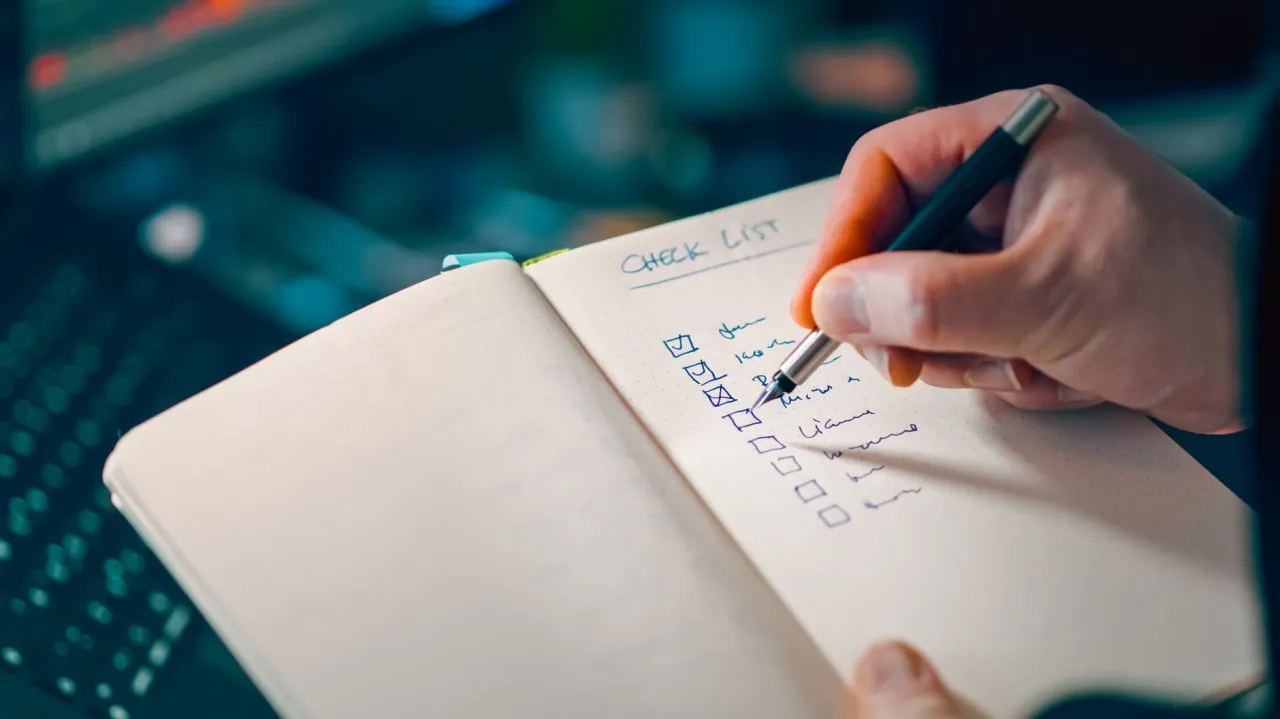
Copy the block below into a document, fill the brackets, print two copies, and sign both. It covers everything ServiceOntario expects from a bill of sale Ontario transfers require:
VEHICLE BILL OF SALE
Seller: [full legal name], [address], [phone]
Buyer: [full legal name], [address], [phone]
The seller transfers to the buyer the following vehicle:
Make: [make] Model: [model] Year: [year] Colour: [colour]
VIN: [17-character VIN] Odometer: [reading] km
Purchase price: $[amount] CAD, received in full on [date] at [time].
The vehicle is sold as-is, without warranty of any kind, and the buyer accepts its condition. Included in the sale: [extras, or “none”].
Seller signature: ______________ Date: ______
Buyer signature: ______________ Date: ______
That is genuinely all a private sale needs; notarization is not required in Ontario, and fancy formatting adds nothing a signature has not already done.
How to Write a Car Bill of Sale, Step by Step
- Verify the seller against the ownership permit. The name selling the car should be the name on the green permit; if it is not, stop and ask why.
- Copy the VIN from the vehicle itself and check it matches the permit and the UVIP, character by character.
- Record the odometer together, at the car, on sale day.
- Write the true price. Understating it to shave tax is a false statement to the government, and since Ontario taxes private sales on wholesale value anyway, it rarely even works.
- Sign two copies and exchange them at the same moment as payment, ideally a bank draft handed over inside the buyer’s or seller’s bank.
The UVIP: Ontario’s Extra Document
Ontario adds one document most provinces skip: the Used Vehicle Information Package. The seller is legally required to buy one from ServiceOntario for about $20 and show it to prospective buyers. It lists the vehicle’s Ontario history, registration record, lien information, and the wholesale value the tax calculation uses.
For buyers, the UVIP is a free lien check on the spot: a vehicle with money still owing against it can be seized from you even after an honest purchase, so read that section before any cash moves. If you are financing the purchase, the lender will insist the existing lien is discharged at closing; our private sale financing page explains how that is handled.
After the Signatures: Registering the Sale
The bill of sale starts the paperwork; ServiceOntario finishes it. The buyer has six days to register the transfer, bringing the bill of sale, the UVIP, the signed vehicle portion of the permit, proof of insurance, and a safety standards certificate if the vehicle is being plated. The seller keeps their plates, which stay with the person, not the car, and keeps their copy of the bill of sale in case tickets or tolls arrive for the vehicle after the sale date.
Buyers financing the purchase should line the loan up before shopping rather than after choosing: a soft-check car loan pre-approval confirms the budget, and used car loans fund private sales as readily as dealer stock once the lien check is clean.
The Tax That Surprises Buyers
Private used-vehicle sales in Ontario are not tax-free: the buyer pays 13% retail sales tax at registration, calculated on the greater of the purchase price or the vehicle’s wholesale value from the UVIP. That “greater of” rule is why writing a low price on a bill of sale Ontario transfer does not save money; ServiceOntario simply taxes the book value instead. Budget the tax into the purchase, because it is due at the counter before the vehicle is registered in your name.
How the Bill of Sale Protects Each Side
For the buyer, it is proof of ownership from the moment of sale, the document that backs your registration, and your evidence if the seller’s creditors or ticket history come calling. For the seller, it is proof the vehicle, and liability for what happens in it, left your hands at a specific date and time. That timestamp matters more than people expect: red-light cameras, tolls, and parking enforcement all bill the registered owner, and the bill of sale is how a seller proves the car was no longer theirs.
Other Provinces, Briefly
The core document is the same across Canada, with local wrinkles. BC requires a transfer/tax form the parties complete together and taxes private sales at 12% or more, Alberta pairs the bill of sale with its registry system and charges no provincial tax on private sales, and Quebec transfers happen in person at the SAAQ. If your purchase crosses provincial lines, use the destination province’s registration rules, and expect an out-of-province inspection before plating. The bill of sale itself, names, VIN, price, date, signatures, satisfies all of them.
The BC Bill of Sale, in Detail
British Columbia deserves its own section because its process differs most from Ontario’s. A BC private sale runs through the Transfer/Tax Form (APV9T), a combined document the buyer and seller complete together, available from ICBC and Autoplan brokers. The bill of sale can accompany it, and writing one is still smart practice, but the APV9T is the document the province actually processes: both parties fill their sections, the seller keeps a copy, and the buyer takes it to an Autoplan broker with ID to register, insure, and pay tax in one visit.
Tax in BC runs 12% on private sales through ICBC, higher on luxury-priced vehicles, calculated against price or book value much like Ontario’s rule. Plates in BC also stay with the seller. The practical upshot for anyone moving between the provinces: same instincts, different form, and in BC the broker visit replaces the ServiceOntario counter.
Gifting a Car: The Family Exception
Ontario lets certain close family transfers, spouses, parents and children, grandparents, and siblings, happen tax-free using a sworn family gift declaration alongside the transfer paperwork. The bill of sale for a gift shows the price as “gift” rather than a dollar figure, and the declaration form, sworn before a commissioner of oaths at ServiceOntario, replaces the tax payment.
Two cautions: the exemption list is specific, so an uncle-to-niece transfer does not qualify, and a “gift” that actually changed hands for cash is a false declaration. When the family deal is a real sale at a friendly price, write the real price and pay the modest tax; the wholesale-value rule means the bill was never going to be large.
The Five Mistakes That Cause Real Problems
- Paying before the lien check. The UVIP exists so buyers see registered liens before money moves; a financed vehicle bought without discharging the lien can be repossessed from an innocent buyer.
- A VIN copied from the ad instead of the car. Listings recycle photos and details; the bill of sale must describe the physical vehicle in front of you.
- Cash in a parking lot. A bank draft exchanged inside a branch protects both sides from counterfeit payment and counterfeit sellers alike.
- Skipping the time of sale. A vehicle that collects a ticket three hours after handover becomes an argument unless the document says 2:15 p.m.
- Only one signed copy. Each party keeps an original; the seller’s copy is their liability shield, and the buyer’s copy is their registration ticket.
Where Financing Fits a Private Sale
A bill of sale and a loan interact more than most guides admit. Lenders funding a private purchase want the document’s numbers to match the application, the seller’s lien discharged at closing, and the payment flowing traceably, often directly to the seller’s lender for the payout amount with the balance to the seller. That choreography is routine when it is arranged before sale day: a soft-check pre-approval sets the budget, the UVIP confirms the lien picture, and the bill of sale everyone signs matches what the lender funds. Handled in that order, financing a stranger’s car is no riskier than financing a dealer’s.
Buying privately with a bruised credit file? See how bad credit car loans Canada lenders handle private-sale purchases before you sign the bill of sale.
Frequently Asked Questions
Is a bill of sale required in Ontario?
Yes, for private vehicle sales. ServiceOntario asks for it when the buyer registers the transfer, alongside the signed permit, the UVIP, and proof of insurance. Dealers produce their own equivalent paperwork.
Does an Ontario bill of sale need to be notarized?
No. Signatures from buyer and seller are sufficient; notarization adds nothing legally for a standard private vehicle sale.
Can I handwrite a bill of sale?
Yes. A handwritten bill of sale Ontario registries accept just needs to be complete and signed: names, addresses, VIN, vehicle description, odometer, price, date, and both signatures.
Who pays the tax on a private car sale in Ontario?
The buyer, at registration: 13% on the greater of the sale price or the UVIP wholesale value. Writing a lower price on the bill of sale does not reduce the tax, because the wholesale value sets the floor.
What if the vehicle has a lien on it?
Do not pay until the lien is resolved. The UVIP shows registered liens, and a financed purchase can be structured so the seller’s loan is discharged from the proceeds at closing.
Do I need a safety standards certificate to sell?
No, a vehicle can be sold as-is without one, but the buyer cannot put plates on it until a licensed mechanic issues the certificate. Selling without one is legal; it just shifts that step, and its cost, to the buyer.
A complete bill of sale is ten minutes of writing that prevents months of potential dispute. Fill it honestly, exchange it with payment, keep your copy, and both sides of a private sale walk away protected.
Finance Your Private-Sale Purchase → Before you sign anything, our used car tax Ontario guide shows exactly what the 13% will be charged on. Transferring within the family instead of selling? The gift a car in Ontario guide covers the tax-free route and its sworn statement.
About the Author
Sources: Ontario.ca: Buying or selling a used vehicle · Financial Consumer Agency of Canada: Financing a car.
Disclaimer: General information, not legal advice; confirm current requirements with ServiceOntario. FindAVehicle is an auto loan-matching service, not a lender, and does not guarantee approval or any specific amount or rate. Auto loan rates typically range from about 7% to 29.99% APR depending on your credit and the vehicle.